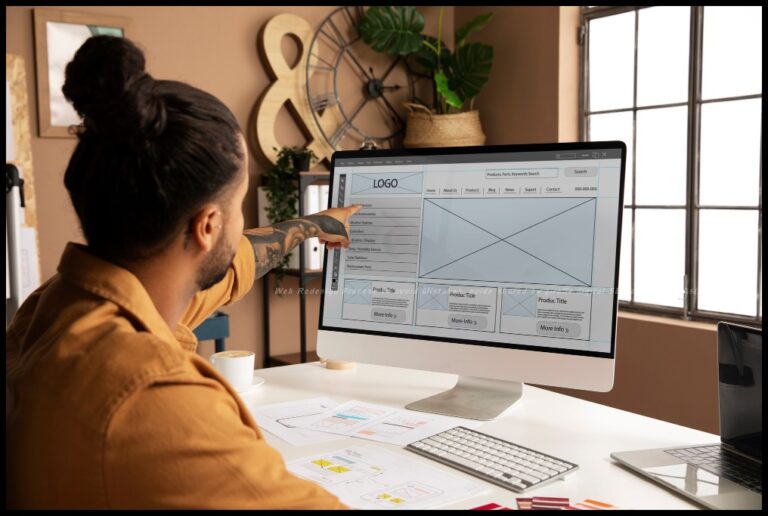
B2B Web Marketing
In B2B marketing, first impressions are everything. Your website is often the initial touchpoint for potential clients, so getting the design right is crucial. However, B2B web design isn’t just about visual appeal, it’s about understanding your audience and creating the right user experience (UX) for your ICPs (Ideal Customer Profiles).
As a Milton Keynes web design company, we have worked with numerous brands to launch B2B websites. In our experience, the key area brands find challenging with web design is the balancing act between design, functionality and optimisation. So, how do you get your B2B web design right?
It’s All About Customer Needs
B2B websites often get bogged down listing features and technical jargon. Instead, we suggest flipping the script. A good place to start is by focusing on the problems your ideal customer faces and how your solutions address them. Use clear, concise language that resonates with their challenges and goals.
Offer A Clear Value Proposition
Your value proposition is arguably the most important thing on your website. In 1-2 sentences, you need to clearly define what you do, who you do it for, and the tangible benefit a client receives by working with you. Tougher than it sounds, but powerful when done well.
Prioritise User Experience (UX)
This one may sound obvious, but it often gets missed. Avoid over-complicating your website user journey as this will end up frustrating and confusing your users. Your website should be easy to navigate and find information. This means a clear sitemap, intuitive navigation, and fast loading times. People shouldn’t have to work to understand what you offer.
Consider Content Development
Where is a website without content? Good, impactful content is absolutely essential in designing, particularly for B2B where there isn’t typically a simple ‘product’ to sell. Create informative blog posts, case studies, white papers, and other resources that address your target audience’s pain points and showcase your expertise. Make it as accessible as possible, preferably un-gated.
Optimise the Buying Journey
Remember to include clear calls to action (CTAs) throughout your website, mapped to where your visitors are likely to engage with your brand. This can be anything from encouraging visitors to contact you, book onto an event or webinar, download free content, or request a demo. The key here is to make the buying process as easy as possible.
Mobile-First Web Design, B2b Buyers
Today’s B2B buyers are never in one place – they’re constantly on the move, with most users accessing the web via their mobile. Ensure your website design is responsive and provides a seamless experience on all devices, from desktops to tablets to smartphones.
Trust and Credibility is Key
B2B decisions are often complex, multi-layered and involve different stakeholders in the process. Building trust at all levels is increasingly important, from marketing to C-Suite. You can build trust by showcasing client testimonials, industry awards, detailed results-driven case studies, key brand partnerships and other credentials that demonstrate your skills, like industry accreditations and badges.
Importance of SEO after B2b web design
Organic seo growth is an important tool for ensuring your website generates traffic and leads for your brand. Make sure you SEO optimise your web content with relevant keywords to ensure potential clients can find you when they’re searching on Google.
Always Test & Improve
Website management is an ongoing job, but it doesn’t have to be difficult. There are various analytics tools at your disposal to track user behaviour and identify areas for improvement. It’s also a good idea to split test different designs, formats, copy and CTAs to see what resonates best with your audience.
Future-Proof Your Site
If you consider all the above points in your web design roadmap before a project begins, your website is much more likely to attract, engage, and convert users. As the store front for your brand, we believe that a website is your most valuable asset, so the work doesn’t stop at launch. Just as the preferences of your ideal customers change over time, your site should be continually improved, maintained and optimised.
Need Website Support?
Investing in the right approach from the start is likely to pay off in the long-term, which is why outsourcing your web design to an agency may be a good move. That way, from concept through to web design & development, launch and ongoing maintenance is covered, with peace of mind that your most valuable asset is taken care of.
Based in Milton Keynes, Giraffe is one of the UK’s top-rated web design agencies. If you’d like to find out more about our web design services, contact us today to arrange a free consultation.
FAQs
-
What makes a B2B website design effective?
An effective B2B website balances design, functionality, and user experience (UX). It focuses on your ideal customer’s needs, communicates a clear value proposition, and guides visitors through an intuitive buying journey with fast-loading pages, clear CTAs, and responsive design.
-
How can B2B websites build trust with potential clients?
B2B websites build trust by showcasing client testimonials, industry awards, detailed case studies, partnerships, and credentials. Providing transparent, results-driven content helps reassure decision-makers and strengthens credibility at all stakeholder levels.
-
Why is content important for B2B web design?
High-quality content, such as blog posts, white papers, and case studies, demonstrates expertise and addresses the audience’s pain points. Informative, accessible content helps generate leads, educate potential clients, and supports SEO for organic traffic growth.
-
How does SEO impact B2B website performance?
SEO ensures your website ranks for relevant search terms, driving organic traffic from potential clients actively searching for your services. Optimising content, keywords, metadata, and page structure is essential for visibility and lead generation in B2B markets.
-
Should B2B websites be mobile-friendly?
Yes. B2B buyers often browse on mobile devices, so responsive design is critical. A mobile-first website ensures seamless navigation, readability, and usability across desktops, tablets, and smartphones, improving user experience and engagement.