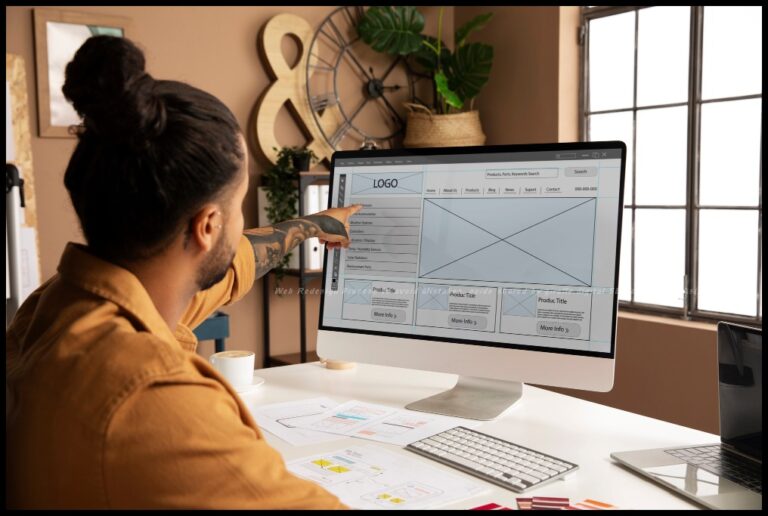
The Evolving Role of Web Design in Modern Branding
Web design is more than designing a website that looks “modern”, “slick” or “on trend”. Due to the complexities that surround us socially and economically, we’re now at a point where brands require more substance. Brands that survive these unprecedented times will be the ones that understand the need for an authentic, meaningful, wider brand purpose.
Why Brand Purpose Matters in Today's Market
Humans by nature want connection, so it’s only logical that this extends to consumers. Generally, audiences these days relate more to brands that demonstrate a deeper meaning beyond selling products or services like Red giraffe. Users are now seeking human-centric options focused on solving real life problems. This is particularly evident for Millennials and Gen Z, who expect brands to demonstrate wider societal impact as the norm. Looking further ahead, this trend is expected to grow significantly as we see Generation Alpha enter the marketplace.
Moving Beyond Transactional Marketing
This means is there is a very real business case for moving beyond transactional marketing and moving towards a purpose-driven model. Your brand mission could be anything that links to a wider human benefit. It could be to tackle climate change, create a fairer society or revolutionise your industry. It doesn’t have to be world changing, it could simply be that your main goal is to create an unforgettable customer experience that helps people achieve a desired outcome.
Integrating Brand Purpose into Web Design
Whatever drives you, that’s your brand purpose. It’s the secret element that connects with people on a deeper level, sets you apart from the competition, and develops a meaningful bond with your users. This core reason for a brand’s existence, the “why” behind everything you do, should be the centre of any b2b web development company strategy.
Aligning User Experience with Brand Mission
Integrating brand purpose into the web design process is crucial to user experience. The best place to start is by ensuring the brand’s mission, vision, values and messaging is fully understood and mapped to your target audience. This includes your brand’s values – for example, sustainability, CSR, inclusion and community impact. It also refers to the specific attributes of your brand, like integrity, quality, honesty and transparency. By leading with your brand’s wider purpose through your value proposition and marketing, you create strong brand advocates. This is often the part of the process that gets missed, but it is the most fundamental element for building long-term brand recognition.
Differentiating Your Brand in a Competitive Market
A clearly defined brand purpose differentiates you from other major players in the market, keeping you a step ahead of your competition. It can even create more USPs for your brand when linked well to your value proposition. Your website becomes the platform for communicating your value and attracting your target customers who resonate with your mission. This differentiation is often seen in the most successful brands who are focused on building long-term brand loyalty and becoming an industry leader.
The Internal Impact of a Strong Brand Purpose
However, a strong brand purpose isn’t just for external audiences. In fact, like all branding exercises, it should start internally. It’s often said that your team are your best marketing assets and biggest brand champions. When employees see the company’s purpose demonstrated internally, it brings the whole brand purpose to life. The transparency across your communication channels is more likely to result in a more engaged workforce, higher productivity and healthy work culture that aligns with your core values. This will always shine through in your customer service, so developing a strong employer brand is a huge consideration when looking at the brand purpose.
Creating a Purpose-Driven Web Design Strategy
To create a seo friendly web design that effectively reflects your brand purpose, clarity on what’s important to your brand and how this links to your audience is the fundamental starting point. A good place to begin is by holding a brand discovery workshop with key stakeholders within your team and collectively defining the points explained above. The key is to make this as interactive as possible, involving the right people from the relevant departments to get the buy-in you need. This most often includes marketing, sales, design and development teams. It’s important to be as open and collaborative as possible, creating a psychologically safe environment that encourages idea sharing.
Transforming Insights into Visuals and Content
The information agreed in this session can then be collated into a brand purpose document, serving as the guiding principle for all creative decisions, including your web design.
From the insights gathered in the discovery phase, you can create impactful visuals and compelling content to tell the story behind your purpose. This is to illustrate the positive impact you have on the world, the problems you solve, and the lives you touch.
Developing a Consistent Brand Voice
Another consideration is to develop a tone of voice that reflects your purpose. This helps create consistency and ensures your brand voice shines through in your content, reaching your audience in the right way. Authenticity equals trust and credibility, so it’s important to leave behind any unnecessary jargon and communicate in a simple, genuine language that reflects your target audience.
Leveraging Calls to Action for Deeper Engagement
Before website redesign, calls to action are a key tool for converting users. Instead of limiting your CTAs only to lead generation efforts, you can invite your website visitors to participate in your purpose-driven activities. Whether it’s volunteering for a cause your brand supports, donating to your charity partner’s latest fundraising initiative, or purchasing a service with a social impact, users become active participants in your mission, which goes further to building brand loyalty.
Showcasing Social Proof and Testimonials
A new website provides the opportunity to level up your marketing content, shaped around your brand purpose. It’s the ideal time to showcase customer testimonials and case studies that demonstrate the positive impact your brand has on people and the wider community. This type of social proof is critical to building trust and credibility.
Regularly Updating Your Website to Reflect Your Brand's Evolution
Your website is a dynamic platform that should evolve alongside your brand purpose. As a Milton Keynes web design services, we advise regularly reviewing your content and visuals to ensure they evolve in line with your company’s core values, vision and purpose. These are likely to change as your brand grows and develops over time, so it’s best practice to review every 12-18 months.
Conclusion: Designing for Purpose and Long-Term Success
By integrating brand purpose into the very core of your web design strategy, you create a website that goes beyond simple information delivery and connects with users on a more meaningful level. Ultimately, your website should be functional and well-designed, but it should also resonate with your target audience, build trust and loyalty, and drive sustainable business growth. So next time you consider a website redesign project, remember to lead with your brand’s purpose, giving your new website the best chance of success.